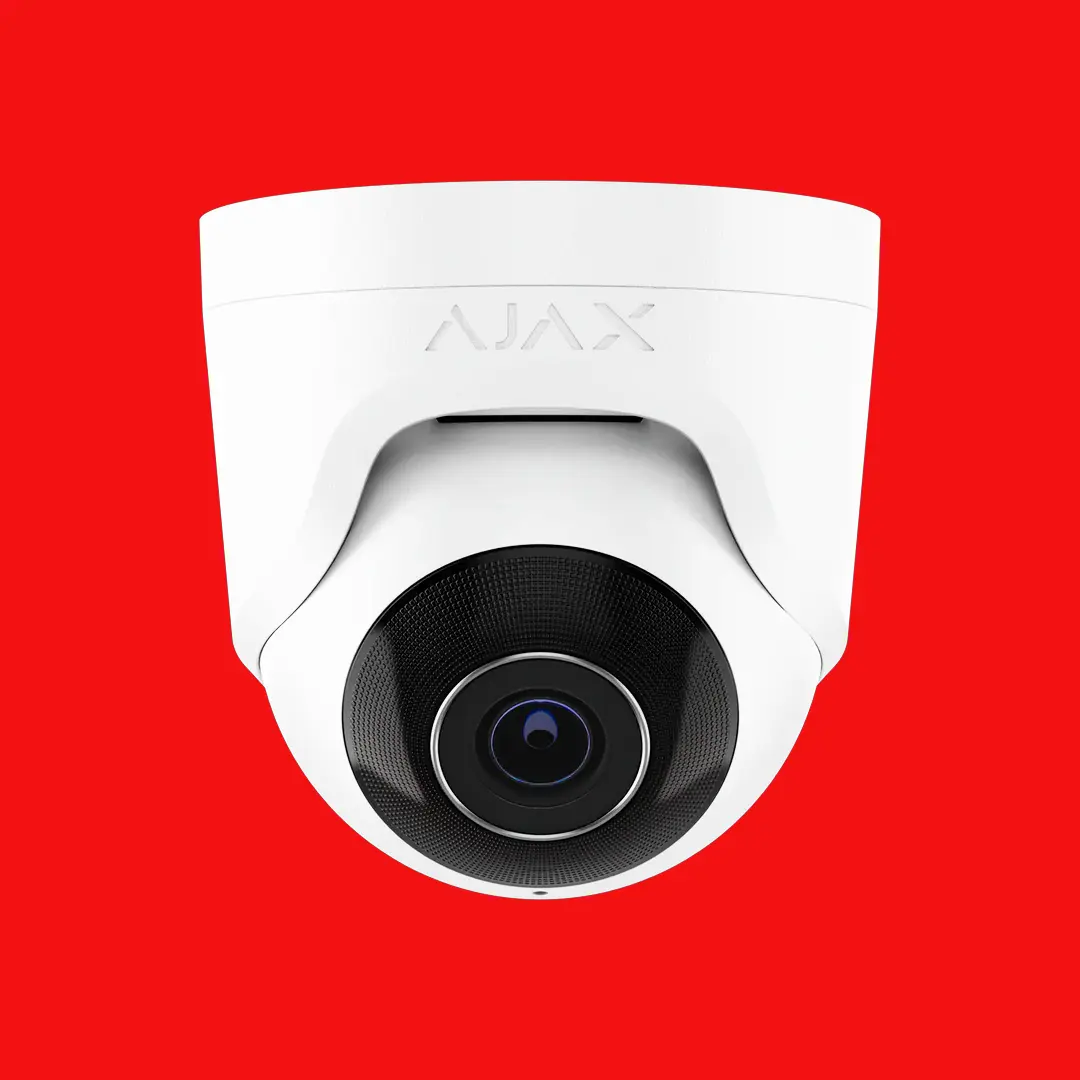
Privacy-compliant CCTV, duress systems, and access control designed for the unique demands of healthcare environments, from the Royal Adelaide Hospital precinct to suburban GP clinics.
Healthcare facilities operate 24/7, serve vulnerable populations, store controlled substances, and must balance open access with safety. Security must be effective without compromising patient care.
Healthcare workers face increasing rates of verbal and physical aggression. Emergency departments, mental health units, and after-hours clinics are particularly high-risk areas.
Controlled substances require secure storage with auditable access logs. Break-ins targeting medication stores are a persistent threat across Adelaide medical facilities.
Camera placement must respect patient confidentiality and comply with the Privacy Act. Treatment areas, consulting rooms, and waiting areas have different surveillance requirements.
Medical centres and clinics that close overnight become targets for break-ins. Alarm systems with monitoring provide essential after-hours protection.
Hospital car parks operate around the clock with staff finishing late shifts. Poor lighting and isolated levels create safety concerns for workers and visitors.
Maternity wards and mental health units require systems that detect when patients leave designated areas without authorisation, triggering immediate staff alerts.
We design security systems that integrate into healthcare workflows without disrupting patient care. Every installation is planned with clinical staff to ensure cameras, access points, and alarms support rather than hinder daily operations.
Healthcare security must comply with the Privacy Act, the SA Surveillance Devices Act, the National Safety and Quality Health Service Standards, and workplace safety legislation.
We document camera placements, provide signage templates, configure access permission hierarchies, and supply compliance records for accreditation audits.
Book a Facility AssessmentEmergency departments, wards, pharmacies, car parks, and administrative areas requiring 24/7 coverage.
Multi-practitioner clinics with shared waiting areas, consulting rooms, and after-hours medication storage.
Solo and small-group practices needing reception security, after-hours alarms, and controlled drug storage monitoring.
Specialist practices with expensive equipment, sedation drugs, and patient records requiring secure access control.
We meet with practice managers, clinical staff, and safety officers to understand workflows, risks, and privacy requirements.
Camera positions are evaluated against privacy obligations. We document what is and is not recorded and provide signage locations.
CCTV, access control, duress, and alarm components are specified with integration points and network requirements.
Installation is scheduled around patient appointments and clinical operations to avoid any disruption to care delivery.
Reception staff learn duress procedures. Practice managers learn footage review. All staff learn access control basics.
We deliver camera maps, signage placement records, access permission registers, and system specifications for your compliance files.
Yes, waiting rooms are generally acceptable for CCTV as they are public-facing areas. We provide appropriate signage and ensure camera angles do not capture screens or documents containing patient information.
Wireless panic buttons are installed discreetly under reception desks. When pressed, they silently alert designated staff members via pager or mobile notification and can trigger camera recording.
We install card or PIN access on pharmacy doors with audit trail logging. Every entry is timestamped and linked to an individual credential, supporting your controlled substance compliance obligations.
Our systems are designed to support compliance with the National Safety and Quality Health Service Standards, particularly Standards relating to clinical governance and the care environment.
In most cases, yes. We work with common BMS platforms to integrate access control events, alarm triggers, and camera feeds into your existing operational dashboard.
Yes. For clinics that close overnight, we provide 24/7 alarm monitoring with rapid response. Alarm events trigger immediate verification and notification to keyholders or emergency services.
Get a security assessment designed around your clinical workflows, privacy obligations, and patient safety requirements.