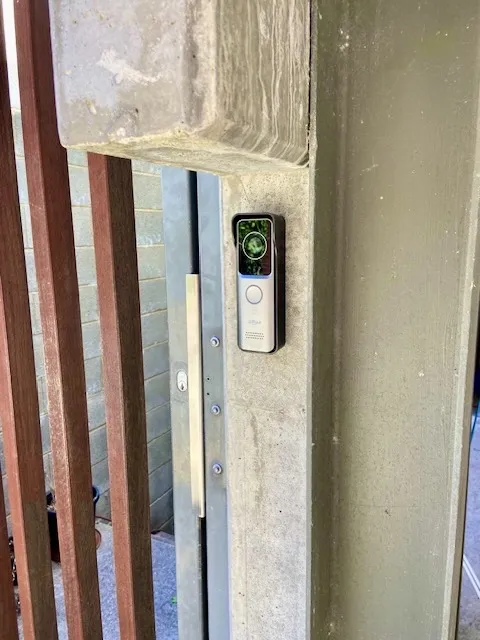
Video doorbell at a secure entry β€” residents can see and speak to visitors without going to the door
NDIS & SDA Housing Security

Security Systems for NDIS Participants and SDA Housing in Adelaide

Wandering awareness, duress integration, staff access control and privacy-first camera design for participant homes, SDA dwellings, and SIL houses across Adelaide.

Security challenges in disability housing

Security in a disability housing context is a different job to a standard home install. The system has to protect the resident and work around them — without making a home feel like an institution.

Unsafe Exits and Wandering

Some participants may leave the home unsafely β€” common with cognitive disability and acquired brain injury. The goal is early, calm awareness for carers, not confinement.

Duress and Lone Workers

Residents and single-staff shifts need a way to summon help instantly β€” with a response path that reaches someone who will actually act, every time.

Key Chaos Across Rosters

Support workers turn over, keys get copied, and nobody can say who entered when. Physical keys are the weak point of every supported accommodation model.

False Triggers

Wheelchairs, hoists and equipment movement can set off badly chosen sensors. Detection has to be specified around how the household actually moves.

Privacy and Dignity

Cameras in a person's home demand more care than a commercial site. Coverage decisions need consent, disclosure, and hard limits on where cameras belong.

Accountability for Providers

When questions are raised, providers need audit trails β€” who entered, when, and what happened β€” that protect participants and workers alike.

Wandering awareness that respects the resident

For participants who may leave the home unsafely, the goal is early, calm awareness — not confinement. Every wandering setup we do starts with a conversation about the participant's patterns and dignity. The technology is the easy part; the configuration is where it succeeds or fails.

  • * Monitored exit sensors on doors and gates, with schedules so normal daily movement doesn't generate noise.
  • * Discreet chimes and staff notifications rather than sirens β€” a wandering event needs a person responding, not a neighbourhood woken at 3am.
  • * Person-detection cameras on exit paths so responders know direction of travel immediately instead of searching blind.
  • * Overnight modes that arm perimeter awareness while residents move freely inside.

Duress and pendant integration

Fixed duress points in bathrooms, bedrooms and common areas — mounted at reachable heights for seated users — plus wearable pendants that work throughout the property, including yards. Alerts route to on-site staff, an on-call coordinator, family, or a monitoring centre, in an order everyone has agreed to in writing.

A duress button that rings a phone nobody answers is worse than none, because it creates false confidence. We build the response path before we install the button — including lone-worker coverage for overnight or single-staff shifts. Dedicated medical alert services and security duress serve different purposes; for some participants both belong in the plan, and we're straightforward about which is which.

Get a Quote

Access control for SDA and SIL houses

Keys are the weak point of every supported accommodation model: staff turn over, keys get copied, and nobody can say who entered when. Electronic access control fixes all three.

  • * Fob, code or phone credentials for support workers β€” issued in minutes, revoked in seconds when someone leaves the roster.
  • * Audit trails showing who entered and when β€” protective for participants and for workers alike.
  • * Time-based permissions β€” day staff credentials that don't work at night; contractor access limited to appointment windows.
  • * Resident-friendly hardware β€” automatic openers, reachable readers and intercoms usable from a wheelchair.
  • * Video intercoms so residents can see and speak to a visitor before anything unlocks β€” a genuine independence feature.

CCTV: where it belongs and where it doesn't

External coverage — entries, paths, carparks and yards — protects residents and staff with few downsides. Internal common areas are a considered, disclosed decision made with the provider and participants, consistent with the provider's policies and consent processes.

Private spaces are off limits. We don't put cameras in bedrooms or bathrooms, and we'll say so plainly if asked. Recorded footage access should be controlled and logged — the same audit-trail thinking as the front door.

For providers running multiple dwellings, credentials and audit trails can be managed across all sites centrally, which turns access management from a weekly headache into a five-minute task.

How NDIS funding can apply

We're installers, not plan managers, so we'll keep this general. The NDIS funds assistive technology where it addresses a participant's disability-related needs and is considered reasonable and necessary — it does not fund general home security. A door-monitoring setup that manages a genuine wandering risk is a very different conversation to a standard camera system.

Funding categories may apply depending on the equipment and the individual plan — whether a given item fits a given plan is a question for the participant's plan manager, support coordinator or occupational therapist, and current definitions and rules are on ndis.gov.au.

We're comfortable working alongside plan managers, coordinators and OTs, and we provide itemised specifications and documentation that make the funding conversation straightforward.

Who we work with

Participants & Families

Single-home setups designed around one person's needs, patterns, and independence.

Support Coordinators

A specific risk to manage, specified plainly with the documentation the plan conversation needs.

SDA Providers

Purpose-built dwellings with access control, duress, and privacy-first camera design from fitout.

SIL Operators

Multi-dwelling portfolios with central credential management, audit trails, and consistent hardware.

SDA and SIL security touches WHS duties, quality and safeguarding expectations, staff turnover and the daily dignity of residents. We turn up when we say we will, document what we install, train staff on the system, and support it afterwards — across single participant homes and multi-dwelling portfolios throughout Adelaide.

NDIS & SDA security FAQs

Does the NDIS fund security cameras or alarms?

Not as general home security. The NDIS funds assistive technology that addresses a disability-related need β€” for example, exit monitoring for a participant with a genuine wandering risk, or duress systems supporting safe independent living. Whether an item is fundable depends on the individual plan; check with your plan manager or support coordinator.

Which NDIS budget would this equipment come from?

It depends on the equipment and the individual plan β€” assistive technology funding categories may apply, and some funding must be used exactly as described in the plan, often with supporting evidence such as an occupational therapist's assessment. Your plan manager or support coordinator is the right person to confirm; current rules are on ndis.gov.au.

Can you stop a resident wandering without locking them in?

That's exactly the design goal. Monitored exits, schedules, discreet staff alerts and cameras on exit paths give carers early awareness and direction of travel while the home stays a home. Any physical restriction of movement raises restrictive-practice considerations that belong with the provider and the participant's team β€” our systems are built around awareness and response.

How does access control handle support worker turnover?

Each worker gets an individual fob, code or phone credential. When someone leaves the roster, their credential is revoked in seconds and the audit trail shows exactly who accessed the property and when. No rekeying, no unaccounted keys.

Can duress alerts go to a monitoring centre instead of staff?

Yes. Alerts can route to on-site staff, an on-call coordinator, family members, a monitoring centre, or a sequence of these. The right answer depends on staffing patterns β€” we agree the response path with the provider before anything is installed.

Do you work with providers across multiple properties?

Yes. Credentials, audit trails and system health can be managed centrally across a portfolio of dwellings, with consistent hardware so staff aren't learning a different system at every house.

Talk to us about your participant or property

Whether you're a family setting up one home, a support coordinator with a specific risk to manage, or a provider fitting out SDA dwellings, we'll design something that protects people without institutionalising the place they live.

Related Security Services