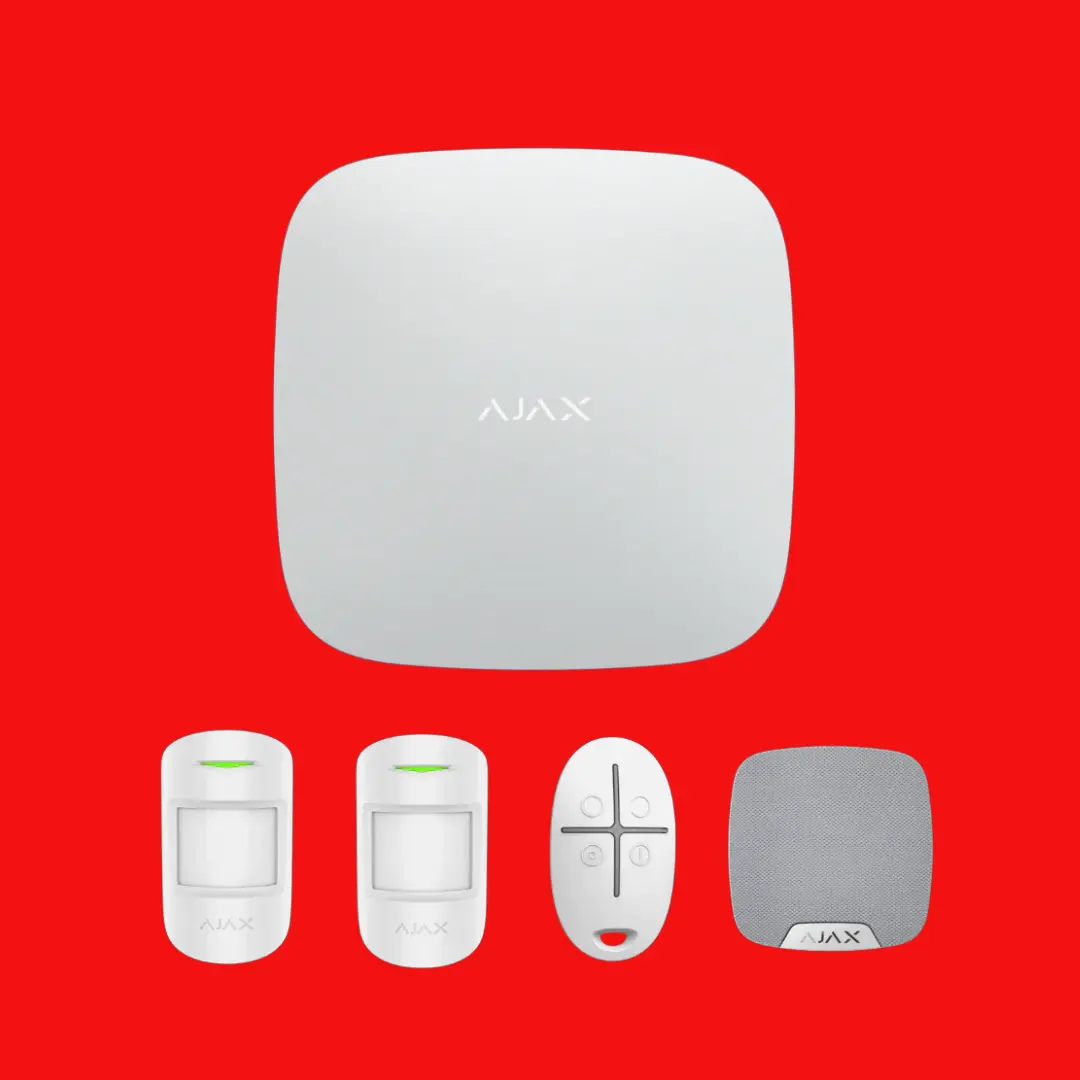
Purpose-built intrusion detection for offices, warehouses, retail stores, and industrial sites across Adelaide. Licensed installation, 24/7 monitoring options, and systems that meet Australian Standards.
Residential alarm systems are not designed for the demands of commercial environments. Businesses face different risks, including after-hours break-ins, internal theft, vandalism, and the need to manage access for multiple staff across varying schedules. A commercial alarm system addresses these challenges with advanced zone management, user-level permissions, and reporting that satisfies insurance and compliance requirements.
Every business has unique security requirements. We design alarm systems around your specific risks, workflows, and operating hours.
After-hours perimeter detection, panic buttons at the counter, and integration with CCTV for alarm verification. Designed to reduce shrinkage and protect staff.
Large-area motion detection, dock door sensors, and perimeter protection for sites with high-value inventory. Zone partitioning separates office areas from storage.
Server room sensors, after-hours detection, and user code management for staff who arrive and leave at different times. Integrates cleanly with access control.
Till area protection, cellar and cool room monitoring, and auto-arming at closing time. Duress buttons for bar and reception staff.
Drug safe monitoring, restricted area detection, and after-hours perimeter protection. Compliance reporting for pharmaceutical regulations.
Temporary alarm systems with cellular reporting for sites without permanent power or internet. Protect tools, materials, and machinery overnight.
We are not locked into a single brand. We recommend the panel that best suits your premises, budget, and operational requirements.
The Bosch Solution series is a workhorse in Australian commercial security. Scalable from 16 to 144 zones, with robust IP and GPRS communication modules.
DSC PowerSeries Neo panels are trusted globally for commercial and enterprise applications. Modular architecture allows expansion as your business grows.
Paradox Spectra and EVO panels offer exceptional flexibility. The EVO series supports up to 192 zones, making it suitable for large multi-tenancy buildings.
The features below are what separate commercial-grade systems from off-the-shelf residential alarms.
Divide your premises into independent partitions. A warehouse can be armed while the office remains disarmed. Each partition operates as its own alarm system with separate user codes and schedules.
A duress code is a special disarm code that silently alerts the monitoring centre to a hold-up situation. The alarm appears to disarm normally, but a priority signal is sent to operators who initiate an emergency response.
Set the system to arm automatically at closing time every day. If someone forgets to arm up, the system does it for them. Late-to-close alerts notify management when the system is not armed on schedule.
Every arm, disarm, alarm, and fault event is logged with a timestamp and user ID. Reports can be generated for insurance claims, compliance audits, and operational reviews.
Commercial systems use IP primary and cellular backup communication paths. If your internet goes down or a cable is cut, the alarm still reports to the monitoring centre via the mobile network.
Connect your alarm with access control, CCTV, and building management systems. Trigger camera recording on alarm events, lock doors on intrusion, and generate unified security reports.
We walk your premises to understand the layout, identify risk areas, assess existing cabling, and discuss your operational requirements.
We specify the panel, sensor types, zone layout, partitioning, and communication paths. You receive a detailed proposal with a floor plan showing device locations.
Once approved, we schedule installation around your business hours to minimise disruption. After-hours and weekend installations are available.
Tidy cabling, secure mounting, and professional finish. All work is completed by licensed security technicians to AS 2201 requirements.
Every zone is configured, user codes programmed, schedules set, and the entire system tested end-to-end including monitoring centre communication.
We train your staff on arming, disarming, user management, and what to do when an alarm activates. Documentation is provided for your records.
It depends on the size and complexity of your premises. A small office might need 16 to 32 zones, while a warehouse or multi-tenancy building could require 64 to 192 zones. We size the system during the site survey so you have room to expand without replacing the panel.
A duress alarm is a special code that, when entered on the keypad, silently alerts the monitoring centre to a hold-up or emergency. The system appears to disarm normally, so the offender is unaware. Duress alarms are recommended for any business handling cash, high-value goods, or with public-facing staff.
Yes. Modern commercial panels allow you to add, delete, and modify user codes remotely via an app or web interface. You can also view arm/disarm logs to see which staff member operated the system and when.
In most cases, yes. Many insurers require a monitored alarm system for commercial policies and offer reduced premiums when one is installed. We provide compliance certificates and system documentation for your insurer.
Commercial systems use dual-path communication. The primary path is your internet connection (IP). If that fails, the alarm automatically switches to a cellular backup (SIM card in the panel) to ensure signals still reach the monitoring centre.
In most cases, yes. We regularly integrate alarm systems with CCTV so that camera recording is triggered by alarm events. This provides visual verification of alarms and creates a combined security event timeline.
Licensed installation, 24/7 monitoring, and systems built for Australian commercial standards.