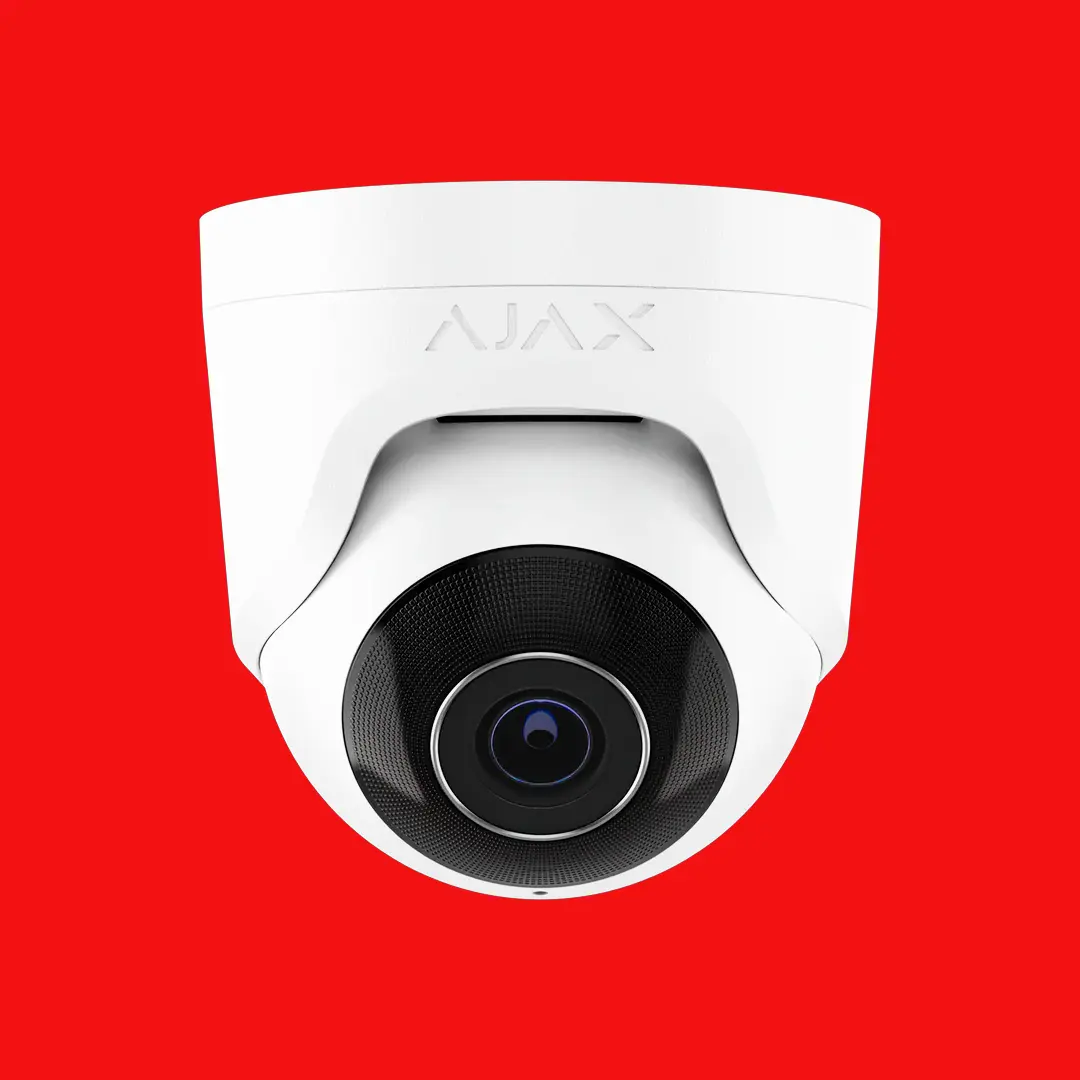
Perimeter alarm systems Adelaide
Perimeter Alarms Adelaide

Perimeter Alarm Systems That Detect Intruders Before They Reach Your Building

Stop intruders at the boundary, not at the door. Perimeter alarm systems detect movement along fence lines, open areas, and property boundaries, giving you early warning and time to respond.

Early detection
CCTV integration
Weather resistant
Licensed installer

Why perimeter detection is your first line of defence

Traditional alarm systems detect an intruder when they open a door or walk past an internal motion sensor. By that point, they are already inside your building. A perimeter alarm system pushes your detection boundary outward to the fence line, driveway entrance, or property boundary, giving you early warning while the intruder is still outside.

This early warning is critical for sites where response time matters. A warehouse on an industrial estate, a construction site, or a rural property may be minutes away from the nearest patrol or police response. Detecting an intruder at the perimeter rather than inside the building provides valuable time to activate a response, trigger deterrents, and capture CCTV evidence of the approach.

  • • Detect before entry, not after.
  • • Trigger CCTV recording and lighting automatically.
  • • Provide early warning for remote or isolated sites.
  • • Complement internal alarm systems for layered security.
  • • Deter intruders with visible detection technology.

Best suited for

  • • Warehouses and industrial estates: Large perimeters with high-value stock.
  • • Construction sites: Temporary fencing with expensive machinery and materials.
  • • Rural and semi-rural properties: Farms, vineyards, and lifestyle blocks in the Adelaide Hills and surrounds.
  • • Car yards and equipment yards: Open areas with vehicles and machinery exposed overnight.
  • • Critical infrastructure: Water treatment, power substations, and telecommunications sites.
  • • Schools and government buildings: Large grounds with multiple access points.

Perimeter detection technologies we install

Different sites need different detection methods. We select the technology that best suits your perimeter type, environment, and security requirements.

Infrared Beam Detectors

Infrared beams create an invisible detection barrier between a transmitter and receiver. When someone crosses the beam, the alarm triggers. Multi-beam configurations (dual, triple, or quad beams) reduce false alarms from animals and debris.

  • • Range up to 250 metres per beam set.
  • • Multi-beam stacking reduces false alarms.
  • • Ideal for fence lines, driveways, and open boundaries.
  • • Weather-resistant housings for outdoor installation.
  • • Brands: Takex, Optex, Hikvision.

Fence Vibration Sensors

Fence sensors detect the vibration signature of someone cutting, climbing, or forcing a fence. Advanced processors distinguish between genuine intrusion attempts and environmental vibrations like wind or animals, minimising false alarms.

  • • Detects cutting, climbing, and lifting of fence fabric.
  • • Programmable sensitivity for different fence types.
  • • Zone-based detection pinpoints the intrusion location.
  • • Works on chain-link, welded mesh, and palisade fencing.
  • • Brands: Gallagher, CIAS, Southwest Microwave.

Buried Ground Sensors

Buried sensor cables detect ground vibration from footsteps and vehicles crossing a detection zone. Completely invisible once installed, they provide covert perimeter detection without any visible technology for an intruder to identify or avoid.

  • • Invisible detection, nothing above ground.
  • • Detects footsteps and vehicle movement.
  • • Unaffected by wind, rain, or visual obstructions.
  • • Suitable for high-security applications.
  • • Brands: Senstar, Southwest Microwave.

Outdoor PIR & Microwave Detectors

Outdoor-rated passive infrared (PIR) and dual-technology (PIR + microwave) detectors are a cost-effective way to protect specific zones like entry points, car parks, and building perimeters. Dual-tech reduces false alarms.

  • • Range up to 15 metres (PIR) or 30 metres (microwave).
  • • Dual-technology requires both sensors to trigger.
  • • Anti-masking detection for tamper resistance.
  • • Pet-immune models available for residential properties.
  • • Brands: Optex, Bosch, Hikvision.

Integration with CCTV, lighting, and alarm systems

A perimeter alarm is most effective when it works together with your other security systems. We design integrated solutions where a perimeter detection triggers an immediate, coordinated response.

CCTV Integration

When the perimeter alarm triggers, the nearest CCTV camera automatically pans to the detection zone and begins high-resolution recording. Pre-alarm buffer recording captures the seconds before the trigger. Operators or app users receive a live video feed of the event.

Lighting Activation

Perimeter detection triggers high-intensity floodlights in the breach zone. Sudden illumination is a powerful deterrent and dramatically improves CCTV image quality for evidence. Programmable delays prevent nuisance activations from wildlife.

Alarm System Escalation

Perimeter events feed into your main commercial alarm system as a pre-alarm or perimeter zone. If the intruder progresses to a building entry point, the alarm escalates to a full intrusion event with siren activation and monitoring centre notification.

Commercial & industrial applications

Commercial perimeter systems protect the boundary of your site and integrate with building alarm and CCTV systems. Common applications in the Adelaide metropolitan area include:

  • • Warehouses and distribution centres along South Road and the western industrial corridors.
  • • Car dealerships and equipment hire yards.
  • • Construction sites across Adelaide's development areas.
  • • Retail centres and shopping complexes.
  • • Data centres and telecommunications sites.

Rural & semi-rural applications

Rural properties face unique challenges: large perimeters, limited power availability, and long response times. Perimeter detection provides the early warning that is critical when help may be 20 or 30 minutes away.

  • • Adelaide Hills farms, vineyards, and cellar doors.
  • • Rural shed and machinery protection.
  • • Livestock property boundary monitoring.
  • • Solar-powered options for sites without mains power.
  • • Cellular communication for remote locations without internet.

Our perimeter alarm installation process

1. Perimeter assessment

We walk the boundary of your property to assess fence type, terrain, vegetation, and environmental factors that affect detector selection and placement.

2. Technology selection

Based on the assessment, we recommend the detection technology and zone layout. You receive a site plan showing detector positions and coverage areas.

3. Integration design

We plan how the perimeter system integrates with your existing alarm, CCTV, and lighting. This ensures a coordinated response to every detection event.

4. Installation

Professional installation including mounting, wiring, and power supply configuration. Underground conduit for cable protection where required.

5. Calibration & testing

Every detection zone is calibrated and walk-tested to confirm reliable detection while minimising false alarms from environmental factors.

6. Commissioning

Full system commissioning including integration testing, monitoring centre configuration, and handover training for your staff.

Perimeter alarm frequently asked questions

Will animals trigger false alarms?

Modern perimeter systems are designed to minimise animal-related false alarms. Multi-beam detectors require all beams to be broken simultaneously, which small animals cannot do. Fence sensors use signal processing to distinguish between animal contact and human climbing or cutting. Sensitivity can be tuned for your specific environment.

How does wind affect perimeter sensors?

Fence vibration sensors are designed to filter out wind-induced vibration. Advanced signal processing algorithms separate the frequency signature of wind shaking from human activity such as cutting or climbing. Some sensitivity adjustment may be needed during Adelaide's autumn storm season.

Can perimeter alarms work on a construction site?

Yes. We install temporary perimeter systems on construction sites using solar-powered detectors and cellular communication. These systems can be relocated as the site evolves and do not require permanent power or internet connections.

How far can beam detectors reach?

Infrared beam detectors can cover distances of up to 250 metres per beam set. For longer perimeters, multiple beam sets are placed in series along the fence line, each protecting a defined zone.

Can perimeter detection trigger cameras and lights automatically?

Yes. This is one of the key advantages of perimeter systems. When a zone triggers, it can automatically activate floodlights in that zone and command the nearest PTZ camera to preset to the breach location. The event is recorded and forwarded to the monitoring centre simultaneously.

What maintenance do perimeter systems need?

Beam detectors need periodic lens cleaning and alignment checks. Fence sensors need sensitivity recalibration after fence repairs or modifications. We recommend annual maintenance visits for all perimeter systems, or more frequently in harsh environments.

Secure your Adelaide property at the boundary

Get a perimeter alarm solution designed for your site, your environment, and your security requirements.