AI Security Cameras in Adelaide: What the Technology Actually Does (and What's Just Marketing)
An installer's plain-English guide to AI camera detection — the genuinely useful features, the oversold ones, and when it's worth specifying.
"AI" is now printed on the box of almost every security camera sold. Some of what it describes is genuinely useful — the biggest practical improvement in CCTV in a decade. Some of it is a marketing sticker on the same motion detection cameras have had since the 2000s. As installers who commission these systems across Adelaide every week, here's the plain-English version of what the technology really does, where it falls over, and when it's worth paying attention to on a spec sheet.
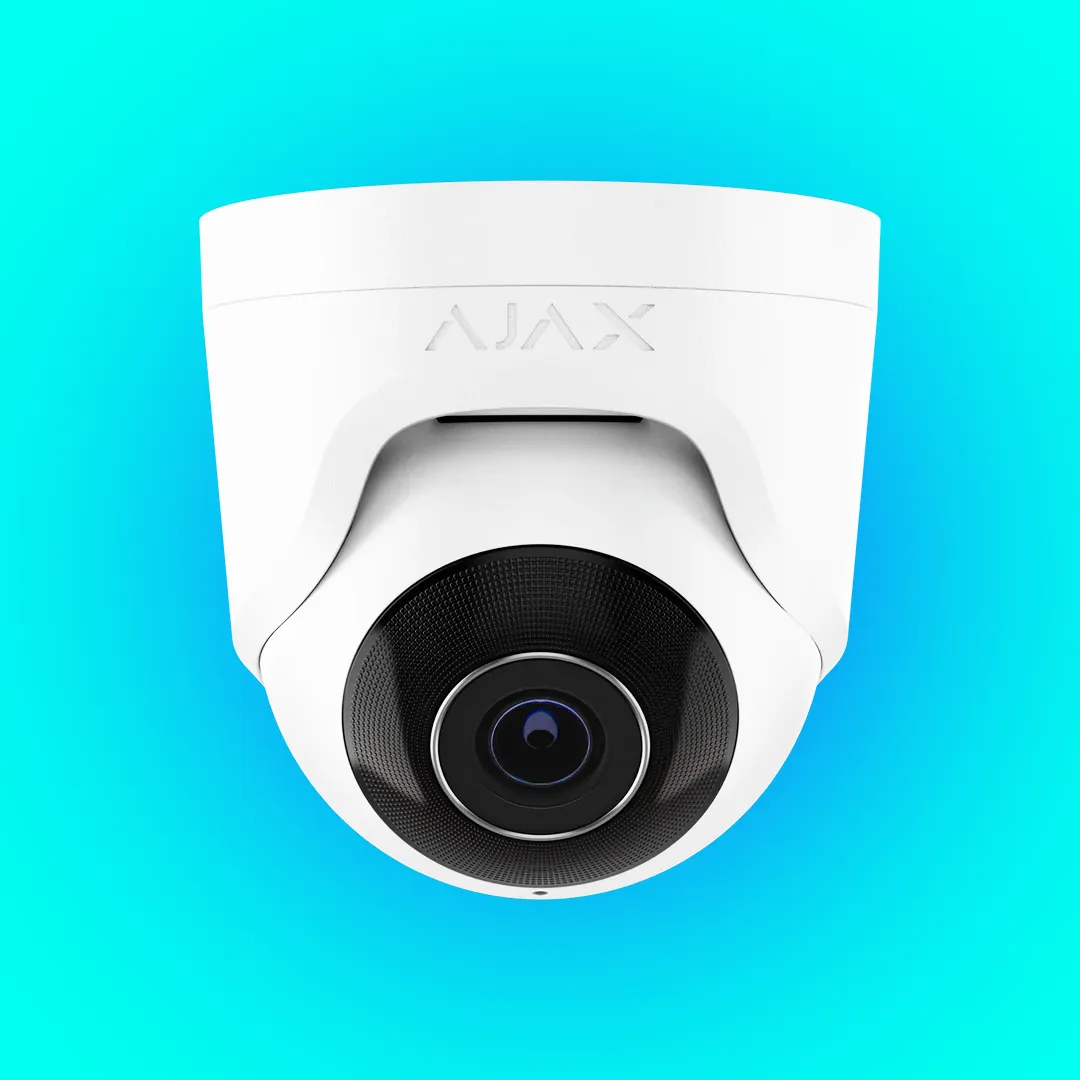
The Problem AI Detection Actually Solves: False Alerts
Traditional cameras detect motion — pixels changing. In an Adelaide backyard that means every wattlebird, every gum branch in a gully wind, every headlight sweep across the fence, every moth on the lens at 2am. Owners respond the only way humans can: they turn notifications off. At that point the camera is a recorder of past events, not a warning system.
Modern AI detection runs the image through a trained model that classifies what is moving before it alerts you. The practical categories that matter are:
- Person detection — a human shape in the frame, day or night.
- Vehicle detection — cars, utes, trucks entering the scene.
- Everything else — animals, foliage, shadows, rain, insects — filtered out.
That single change is the whole revolution. When an alert means "a person is in your yard" rather than "something moved", notifications become worth leaving on — and a camera you actually respond to is worth ten you ignore.
The Useful Features, in Plain English
Smart Intrusion Zones and Line Crossing
You draw an area (the driveway, the yard behind the shop) or a line (the fence), and the camera alerts only when a person or vehicle enters the zone or crosses the line. Good systems let you set schedules — nobody should be in the warehouse yard between midnight and 5am, but the morning delivery is fine.
AcuSense-Class Analytics
Hikvision's AcuSense is the best-known name for this class of built-in human/vehicle filtering, and other major brands ship equivalents under their own labels. The point isn't the badge — it's that the classification runs on the camera or recorder itself, so it works without a cloud subscription and keeps working if your internet drops.
Active Deterrence
Once a camera knows it's looking at a person rather than a possum, it can do something about it: trigger a white strobe, play a warning message or siren tone through a built-in speaker. On construction sites, yards and shopfronts this turns the camera from a witness into a deterrent. Used badly (over a footpath, aimed at the neighbours) it's an antisocial nuisance — placement matters, which is where an installer earns their keep.
Smarter Search
Classification also gets recorded as metadata. Instead of scrubbing through hours of footage after an incident, you filter for "people, rear zone, Tuesday night" and review minutes instead of hours. For businesses, this is quietly one of the biggest time-savers in the whole system.
Verified Alarms
For monitored sites, AI classification is what makes video verification practical: the monitoring operator sees a clip of a person on the premises, not a raw motion ping. A verified intrusion is treated far more seriously than an unverified alarm — that's the difference between "a sensor activated" and "there is a man at your roller door".
What's Hype (or at Least Oversold)
"AI camera" on a budget spec sheet. Plenty of cheap cameras advertise AI while running crude motion detection with a person-shaped filter bolted on. The tell is in the false alerts: if it pings on car headlights and rain, the model isn't doing much. This is the main reason we specify camera lines we've actually commissioned and tested, not whatever's cheapest this month.
Facial recognition for homes and small business. Recognising a face is easy; reliably identifying whose face, at night, at distance, through a hat and against a database you'd have to build and maintain — that's a different product category, with serious privacy obligations attached. For almost every Adelaide home and small business, person detection delivers the real-world benefit without the legal and ethical baggage.
Accuracy percentages. Ignore any brochure quoting a detection accuracy figure. Real-world performance depends on mounting height, angle, lighting, lens choice and scene — a brilliant camera installed badly will underperform a modest camera installed well. Numbers from a test lab don't transfer to your carport.
"The AI will call the police." No, it won't. Detection creates an alert; what happens next depends on who receives it — you, or a monitoring centre with an agreed response plan. AI improves the quality of the trigger. The response chain is still something you have to design.
When Is AI Detection Worth Specifying in Adelaide?
Our honest take, from installs across the metro area:
- Homes with pets, trees or street-facing cameras — person/vehicle filtering is the difference between notifications you keep on and notifications you kill in a week. For most new residential installs we now treat it as the default.
- Businesses with after-hours exposure — yards, workshops, warehouses, and any site where an out-of-hours person is by definition a problem. Pair detection with active deterrence and monitored video verification.
- Construction and vacant sites — no staff, high-value materials, and a persistent copper-theft problem. Person detection with deterrence is the core of every site-camera setup we do.
- Where it matters least — a purely record-and-review camera (say, a till camera reviewed only after an incident) gains little from AI alerts. Spend the budget on resolution and coverage there instead.
Placement beats processing
The best analytics in the world can't fix a camera mounted too high, aimed into the sun, or watching a scene it was never suited to. When we specify AI detection, the camera position, mounting height and zone configuration are designed alongside it — that combination is what makes the alerts trustworthy.
Frequently Asked Questions
What does an AI security camera actually detect?
The mainstream, reliable capabilities are person detection and vehicle detection — classifying what's moving before alerting you — plus zone and line-crossing rules built on top of them. More exotic claims (behaviour analysis, identity recognition) are either enterprise products or marketing.
Will AI detection stop false alarm notifications completely?
It dramatically reduces them — filtering out animals, foliage, shadows and headlights that plague standard motion detection — but no system is perfect. Correct camera placement, mounting height and zone configuration matter as much as the model inside the camera.
Do AI cameras need an internet connection or subscription?
The systems we specify run their analytics on the camera or recorder itself, so detection and recording work without cloud subscriptions and keep working through internet outages. Internet is only needed for remote viewing and notifications to your phone.
Is facial recognition legal for my home or business?
Capturing footage and recognising individuals are very different things legally and practically. For homes and typical businesses we recommend person detection instead — it delivers the security benefit without building a database of identified individuals. If you believe you have a genuine use case, get proper advice first.
Can AI cameras work with my alarm and monitoring?
Yes — and that combination is where the value peaks. Classified detections can trigger deterrence on site and send verified video events to a monitoring centre, so a real intrusion is seen and acted on rather than guessed at.
Are my existing cameras upgradeable to AI detection?
Sometimes. Certain recorders can apply analytics to streams from older cameras, with some limits on performance. Whether that's worthwhile or whether targeted camera replacement makes more sense depends on what you've got — we can assess it on site.
How The Alarm Guy Helps
The technology is genuinely good now — the difference between a system that works and a gimmick is in the specification and the installation. We design and install CCTV systems with person and vehicle detection across Adelaide, commission the analytics properly on site, and integrate them with alarms and monitored response where it adds real value.
Cameras that alert you about people, not possums
Specify it properly, once. Tell us about your property and we'll design a detection setup that's actually worth leaving notifications on for.