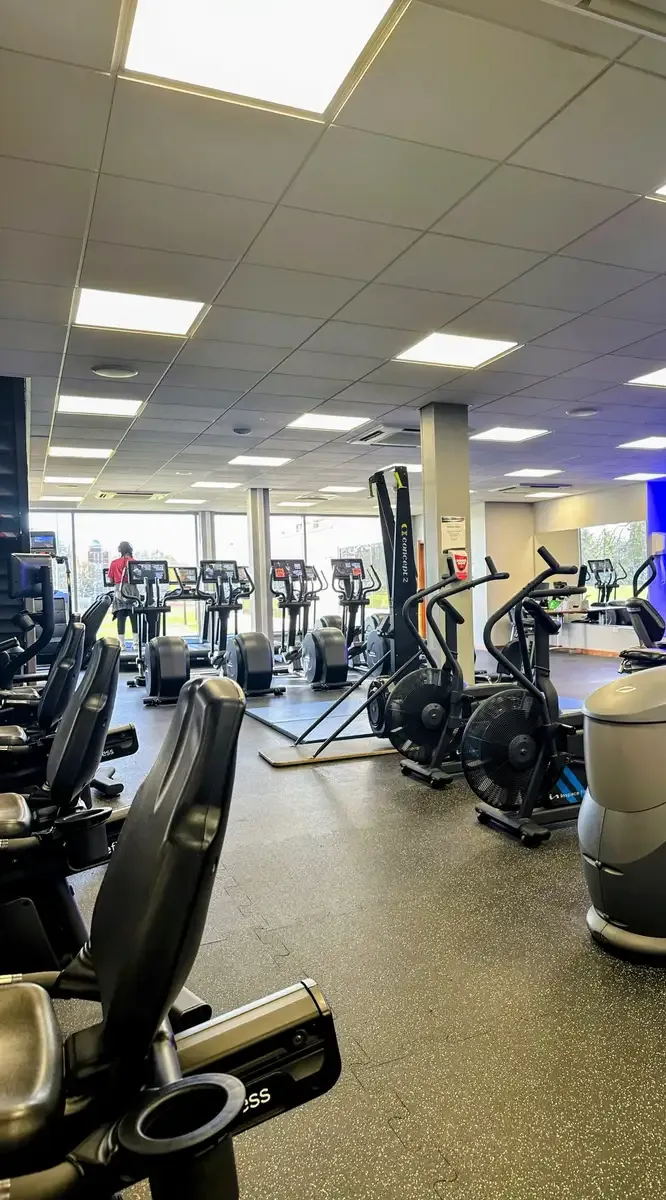
In an unstaffed gym, the security system is the front desk, the supervisor and the witness, all at once. Access control, tailgating detection, duress and CCTV designed around the 24/7 model.
The 24/7 model runs on a simple trade: members get access at 5am or midnight, and the operator doesn't pay staff to stand at a desk all night. Everything that makes that trade work is the security system.
One member badges in, holds the door, and two mates walk through behind them. Lost revenue β and unidentified people inside your gym at night.
A member alone on the floor at 1am is your worst-case planning scenario: a medical episode, an injury under a bar, or a threatening person at the door β with no staff in the building.
Cancelled memberships and banned individuals need to stop working at the door automatically β not whenever someone remembers to change the locks.
The weights area is the highest-incident zone in most gyms. When a complaint, theft or insurance question comes up, "who was in the building" can't be guesswork.
Cameras must never capture change rooms, toilets or showers β including sightlines through doorways. Getting this wrong exposes members and operators alike.
An unstaffed site can't notice a dead camera or a jammed door. Faults need to announce themselves before an incident finds them.
Door access does two jobs in a 24/7 gym: keeping non-members out, and creating a reliable record of who is inside. Our access control systems cover both.
Practical counters, roughly in order of effectiveness for typical Adelaide sites: person-detection cameras on the entry that flag two-or-more entries against a single badge event; airlock-style double doors where the layout allows it; and tight, well-lit entry design with signage and a visible camera.
The technical evidence only matters if you act on it. The operators who send one warning letter with a photo attached see tailgating collapse.
Get a QuoteThis is where the unstaffed model earns or loses its social licence — and where industry codes and guidelines for unstaffed hours focus their attention. A serious after-hours safety layer includes:
If you operate under a franchise agreement, it likely sets minimum after-hours safety requirements; we regularly work to franchise specifications and can bridge any gap between the brand standard and what your site actually needs.
Cover properly:
Never cover:
Change rooms, toilets and showers. No exceptions, no "just the entrance corridor" compromises that see inside. We design so nothing captures these spaces, and we'll put that in writing — it protects you as much as your members.
Retention matters more than operators expect: complaints and insurance claims often surface weeks after an incident. We size recorder storage deliberately rather than accepting whatever the box comes with.
Stockrooms, offices and out-of-hours breach of non-24/7 areas covered by a properly zoned alarm system.
Automated health alerts catch a dead camera, a failed drive or a jammed door, so faults are fixed before an incident finds them.
Access events, alarms and video in one place β reviewing an incident takes minutes, and remote management happens from your phone.
Four layers: member access control with a full audit trail, tailgating detection at the entry, monitored duress and after-hours alarm response, and CCTV covering the floor, entries and carpark β with change rooms strictly excluded. Each layer covers a failure of the others.
A combination of entry cameras with person-detection analytics (flagging multiple entries on one badge), tight well-lit entry design, and visible enforcement. Where a fitout allows, airlock-style double entries are the strongest physical control. Evidence plus one enforcement letter changes member behaviour quickly.
With a monitored setup, the alert goes straight to a monitoring centre with camera verification, and an agreed response plan runs: assessment, keyholder contact and escalation to emergency services as needed. The design conversation is exactly this scenario β we build the response path before we install the button.
Cameras must never capture change rooms, toilets or showers β including sightlines through doorways. We design coverage so identification happens at entries and on the floor, and we document the exclusions. It protects members and protects the operator.
In most cases yes β mainstream gym management platforms can drive door credentials so sign-ups, suspensions and cancellations flow through to the door automatically. We'll confirm the integration path for your specific platform before quoting.
Before the fitout is finalised. Entry layout decides whether tailgating control is easy or impossible, and cabling during construction is far cleaner than retrofitting around mirrors and rigs. Bring us the floor plan and we'll mark it up.
Whether you're converting to 24/7 access, opening a new studio, or fixing a system that lets half the suburb in behind one fob, we'll design it around your floor plan and your operating model.